
Precision CNC Machining in China for Prototyping and Production
From first-part validation through recurring production, we help OEM and product teams source precision machined components with clear communication, drawing-led quality planning, and practical manufacturability feedback. We support complex prismatic and rotational geometries across common engineering metals and plastics—so your release schedule stays tied to realistic machining constraints, not surprises late in the build.
Get a Quote
What We Do
Our service scope is defined by your drawing revision, quantity intent, and inspection requirements. We support prototype, bridge, and recurring production programs with routing and quality checks aligned to the part risk, not a one-size-fits-all template.
CNC Machining
Drawing-led machining programs for prototype through production releases, with process and inspection scope confirmed in the quote.
CNC Milling
3-axis and multi-axis milling for prismatic features, pockets, datums, and complex profiles tied to your tolerance plan.
CNC Turning
Turning for shafts, bushings, threaded parts, and concentric rotational features where datum and runout control matter.
Sheet Metal
Cutting, forming, and joining for brackets, enclosures, and panels—bend strategy and weld scope aligned to your drawing.
Rapid Prototyping
Rapid prototype routing for fit and function validation, with clear transition planning to bridge and production quantities.
Surface Finishing
Finishing options such as anodizing, plating, blasting, and polishing with masking, thickness, and cosmetic scope defined up front.
How we execute
Capabilities at a Glance
We plan work in the order your drawing demands: material behavior, feature accessibility, tolerance stack-up, and how those choices affect inspection. The objective is repeatable quality from first article through repeat releases—especially when your assembly line cannot absorb silent variation.
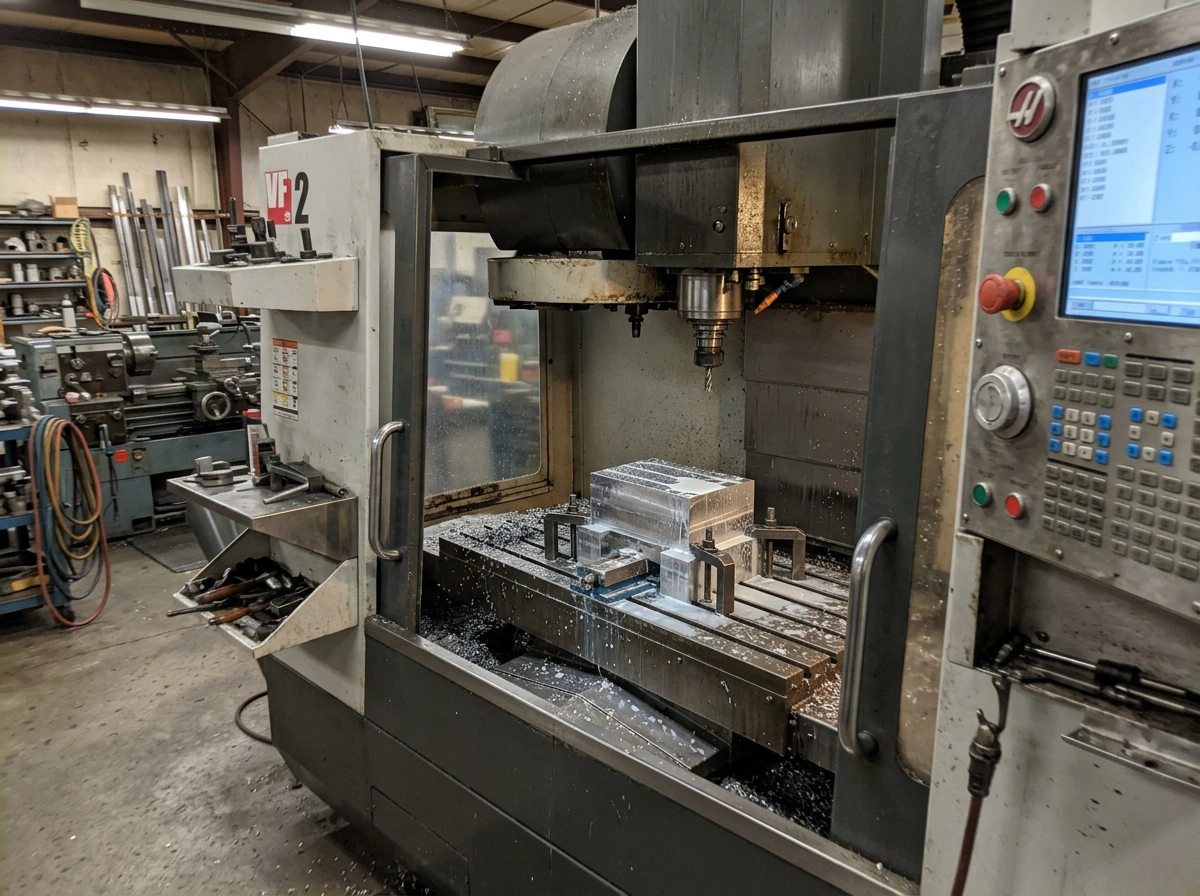
Whether you need a handful of parts to prove a mechanism or thousands per month on a schedule, we align routing, fixturing, and inspection to the risk level of the program. Early runs focus on learning; steady-state runs focus on control.
Precision Workflow That Matches Your Intent
We treat your RFQ like a technical review—not a generic price list. The goal is to surface questions while they are still cheap to answer: material alternatives, datum strategy, reachable tolerances, and inspection points that match how the part is used in your assembly.
1. Submit your technical package
Send 3D CAD (STEP/IGES preferred) plus a 2D PDF drawing with tolerances, threads, finishes, and any assembly context that affects critical features.
2. Feasibility review & quote
We confirm machining approach, risks, and lead-time drivers. You receive a structured quote with assumptions spelled out—so scope is aligned before work begins.
3. Production, inspection, release
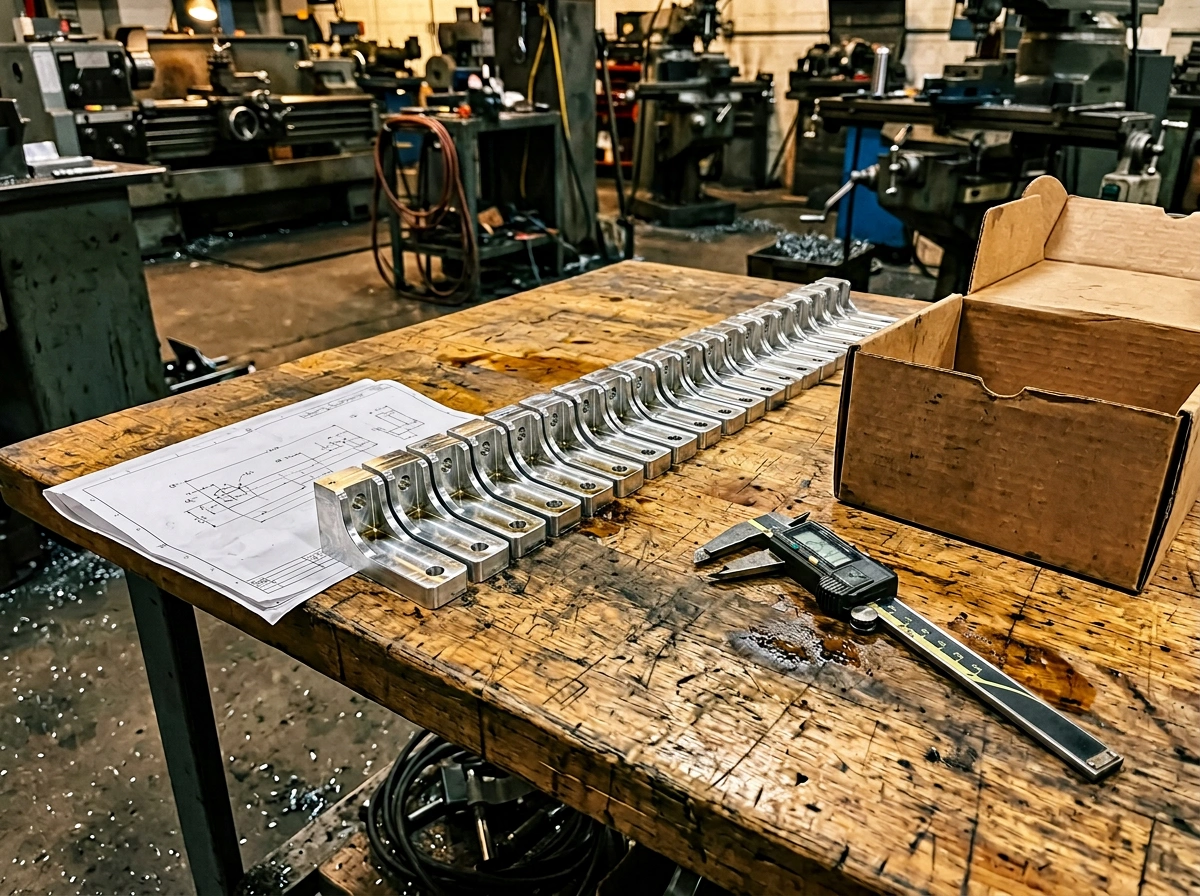
In-process checks target the features that matter for fit and function. Release documentation can be matched to your receiving inspection workflow.
Industries We Support
We work with teams where repeatability, traceability, and dimensional stability directly affect product safety or performance. Fit for a given industry is always confirmed against your drawings, standards, and inspection requirements—not assumed from a part category alone.
Aerospace
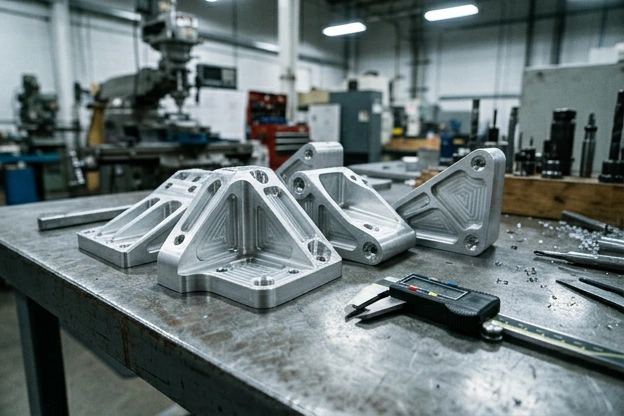
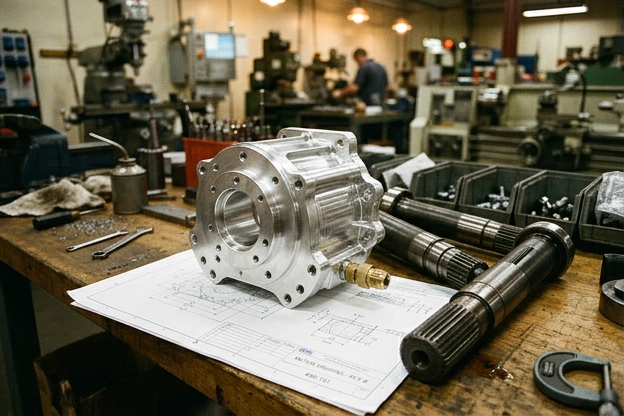
Precision aluminum and alloy components for flight-adjacent systems, structural supports, and lightweight assemblies with tight dimensional control.
Medical
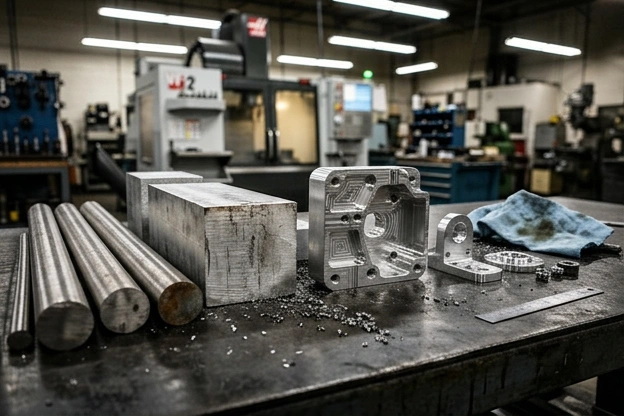
Custom machined parts for medical-device related equipment and robotic systems, produced to documented drawings and inspection requirements.
Automotive
Prototype and production parts for EV and conventional vehicle programs, including housings, fixtures, and high-accuracy mechanical interfaces.
Materials
Material grade, stock form, and condition should be specified on your release. Use the metal and plastic guides for planning; for other materials, share your drawing package and we will confirm feasible routing and assumptions in the quote.
Metal
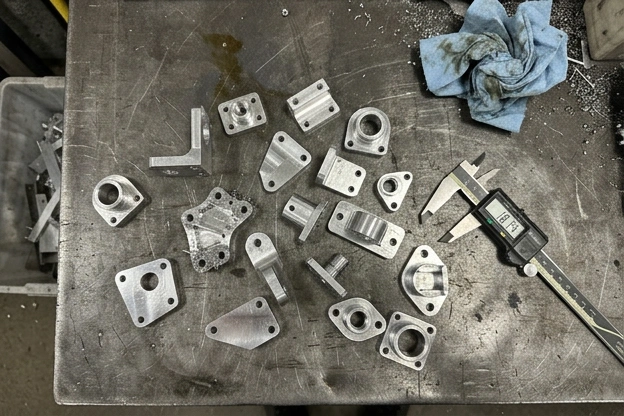
Ferrous and non-ferrous alloys for structural, wear, and thermal applications, with grade and heat-treat assumptions matched to your release.
View metal guide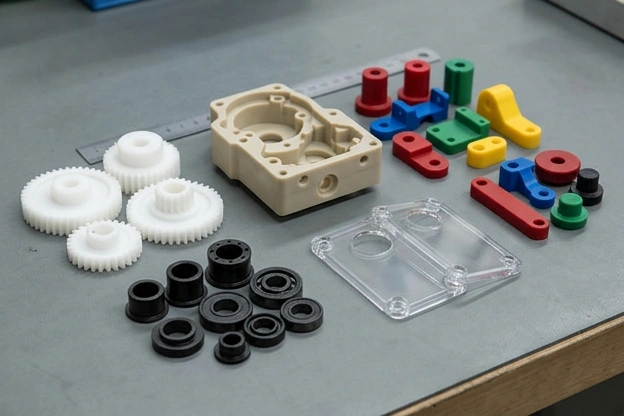
Plastic
Engineering plastics where heat, moisture, and creep affect stability; cutting approach, fixturing, and checks align to resin behavior and part risk.
View plastic guide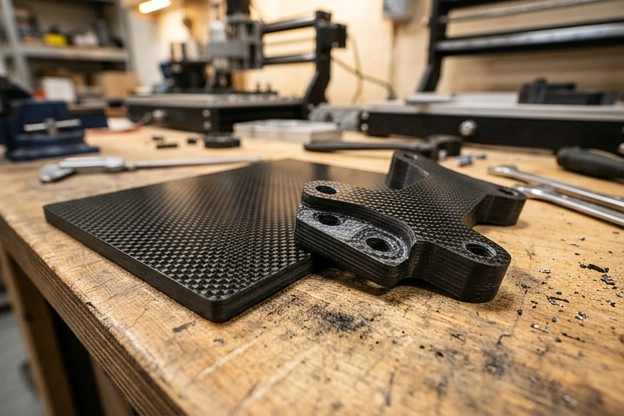
Carbon fiber
Fiber-reinforced laminates and composite parts where tooling, dust control, and edge treatment depend on lay-up and tolerance expectations.
View carbon fiber guide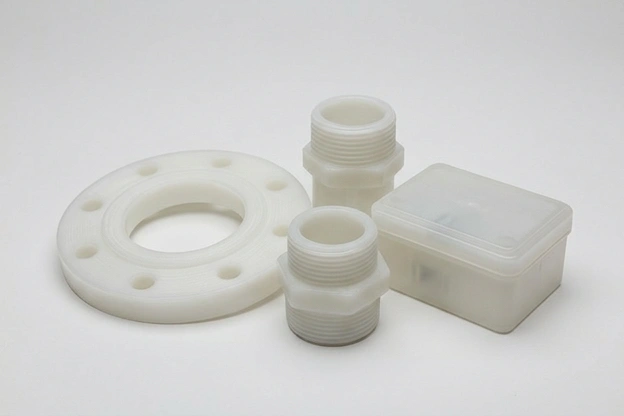
Polypropylene
Lightweight olefin parts where ductility and chemical resistance are priorities; routing balances burr control, finish, and stable holding.
View polypropylene guide
Acrylic
Transparent or cosmetic PMMA work where stress, chip evacuation, and edge finish planning protect clarity through deburr and handling.
View acrylic guideFrequently Asked Questions
Straight answers for buyers evaluating a China CNC partner: files, timing, materials, MOQ, and how engineering review fits into quoting.
Start your RFQ
Ready for a precision quote?
Share your CAD and 2D drawing package—we’ll return a structured, engineering-led review so scope is clear before metal is cut.