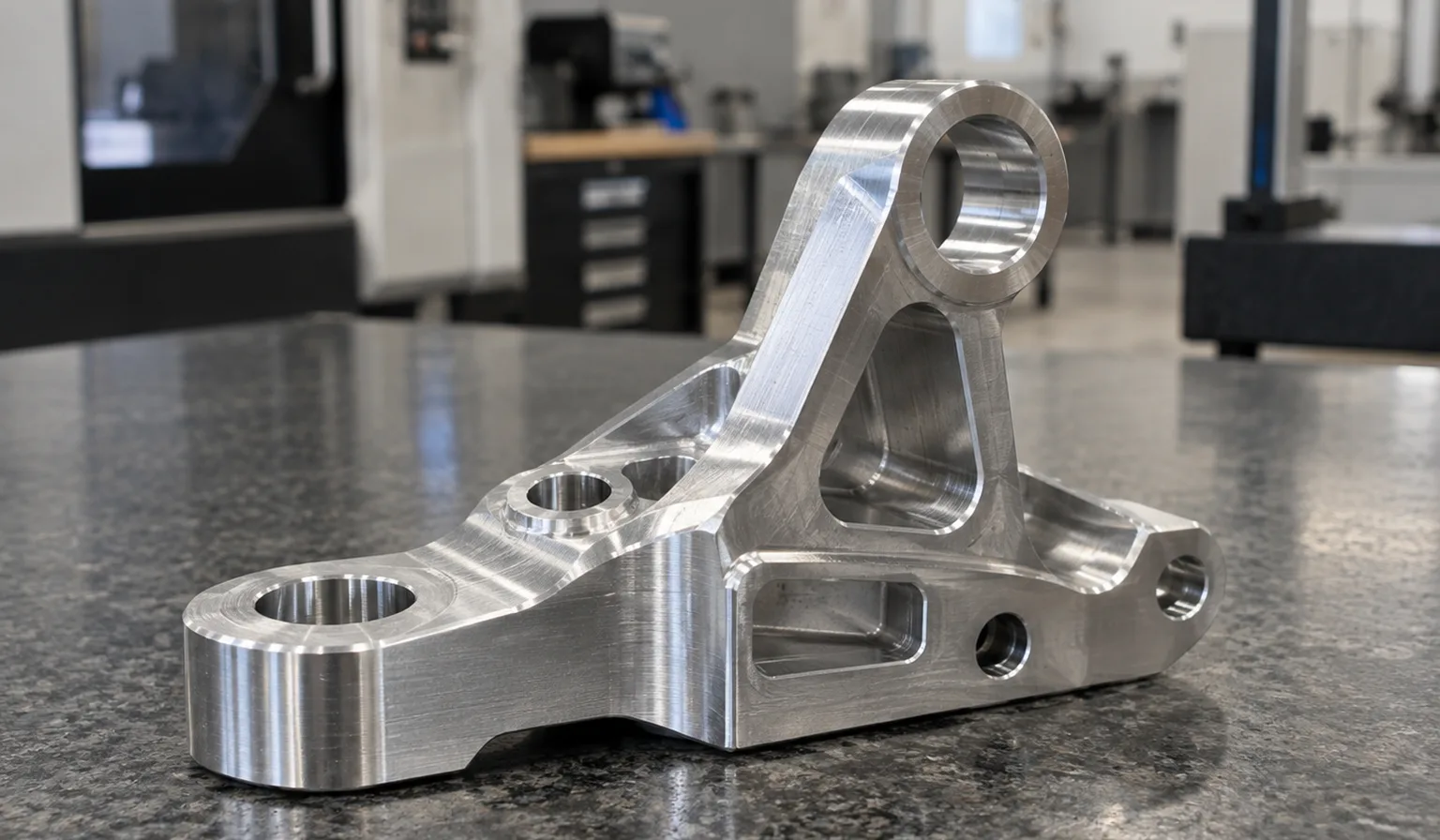
An automotive part rarely stays on the same process from first sketch to production line. It starts as a fit-check print, moves through engineering validation, and — if it clears that gate — lands somewhere between bridge production and full tooling. Treating that whole path as "get it CNC machined" skips the part that actually determines cost and lead time: which stage the part is at, and what changes about how it's quoted and controlled once a program moves from prototype to production.
Why Automotive Programs Need a Stage Conversation, Not Just a Process Quote
A bracket quoted as a one-off prototype and the same bracket quoted for a 5,000-unit production run aren't the same conversation, even if the geometry is identical. Tooling investment, inspection requirements, and material traceability all shift as a program moves from prototype to production — which is why an automotive RFQ needs to say which stage the part is at, not just what the part is.
See our automotive CNC machining page for the part categories, materials, and quality framework we run programs under.
The Prototype Stage — Fit-Check Through Engineering Validation
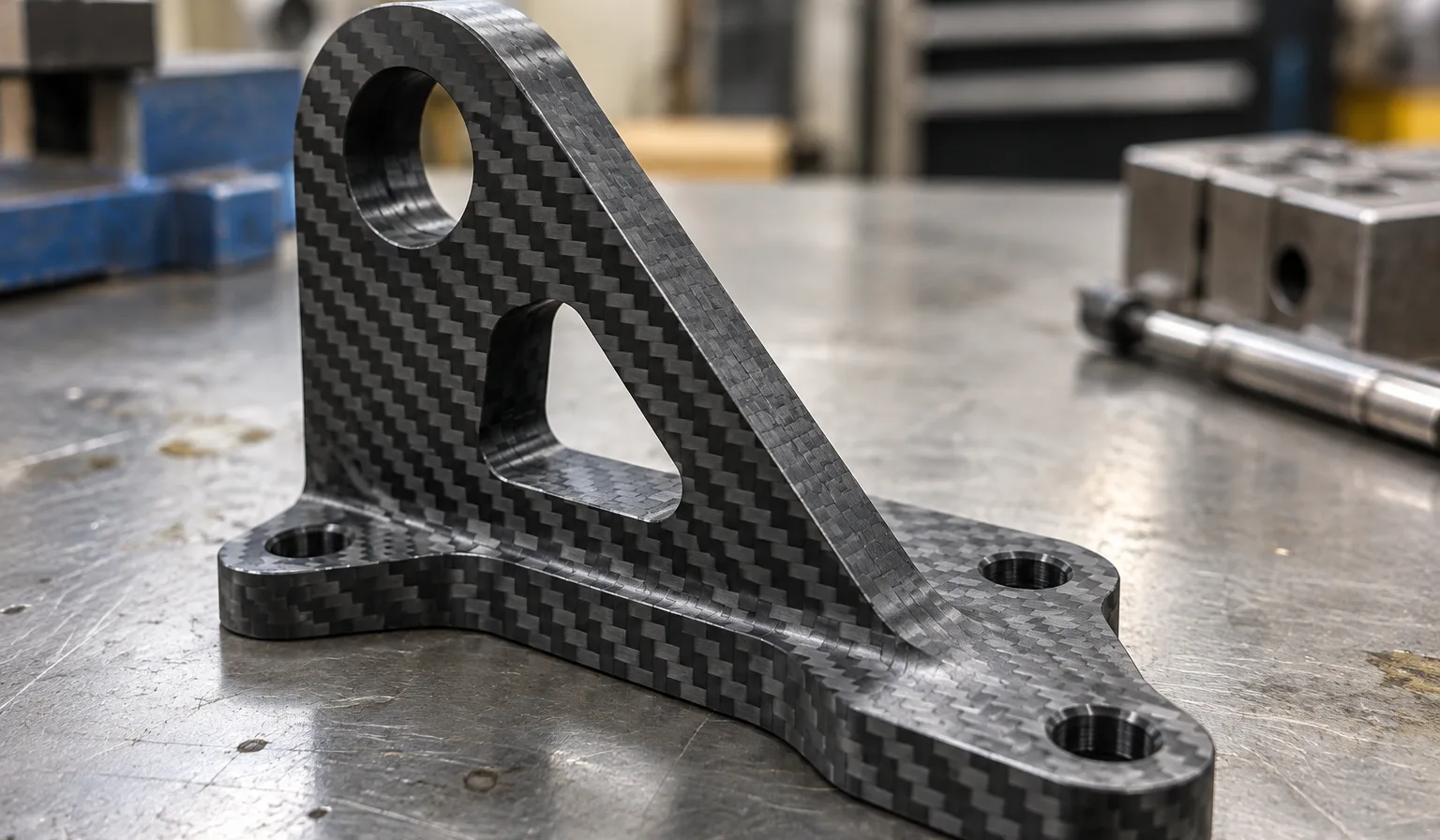
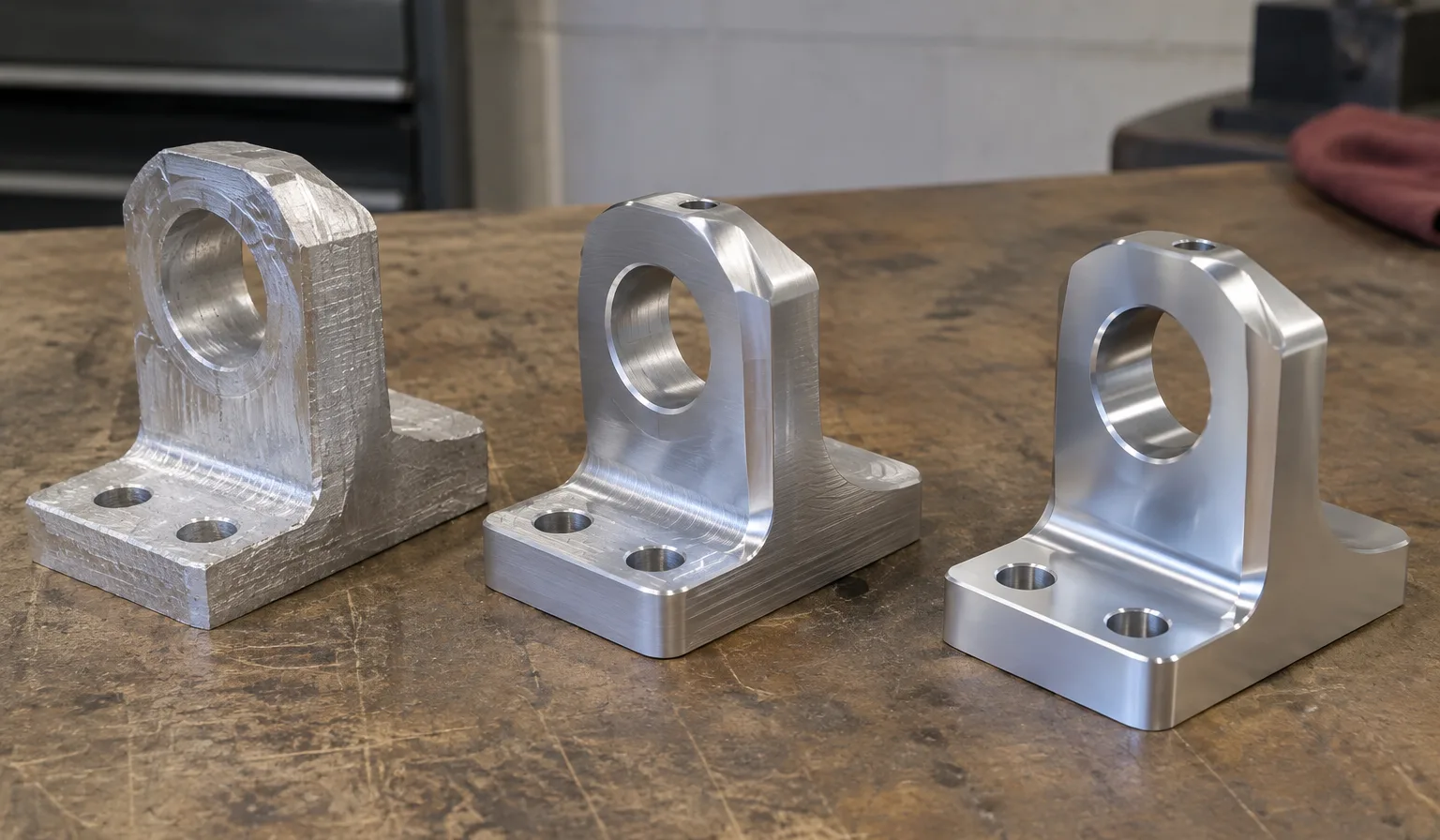
Early automotive parts are usually about answering a question fast: does this fit, does this function, is the design direction right before committing to tooling. CNC-machined prototypes are common here because they come off real engineering drawings in production-representative material — closer to how the part will actually behave than a 3D-printed fit-check model, while still being fast to turn around one-off or in small batches.
Best fit: design validation, fit-check, functional testing in the material the production part will actually use.
The Validation Stage — Where Process Control Starts to Matter
Once a design clears prototype testing, the conversation shifts from "does it work" to "can this be made repeatably." This is where control plans, capability studies, and inspection documentation start entering the picture — not because the geometry changed, but because the program is now being evaluated on whether the process can hold the part's tolerances run after run, not just on a single good sample.
Best fit: parts heading toward a production decision, where the customer needs evidence the process is repeatable, not just that one part came out right.
Production — What IATF 16949 Actually Changes
Automotive production programs run under an IATF 16949-controlled quality system — PPAP-style supplier qualification, control plans, and traceability requirements that don't apply the same way to a one-off prototype. What that means in practice: production parts are quoted and documented differently than prototypes, with the qualification package itself becoming part of what's being priced, not an afterthought after the part ships. Our automotive industry page covers the PPAP and control-plan detail in full — this article isn't the place to re-litigate it, but it's worth knowing upfront that a production quote and a prototype quote for the same part are answering different questions.
Best fit: programs that have cleared validation and are moving to a committed production volume, where the qualification documentation matters as much as the parts themselves.
Bridge Production — The Stage Between CNC and Hard Tooling
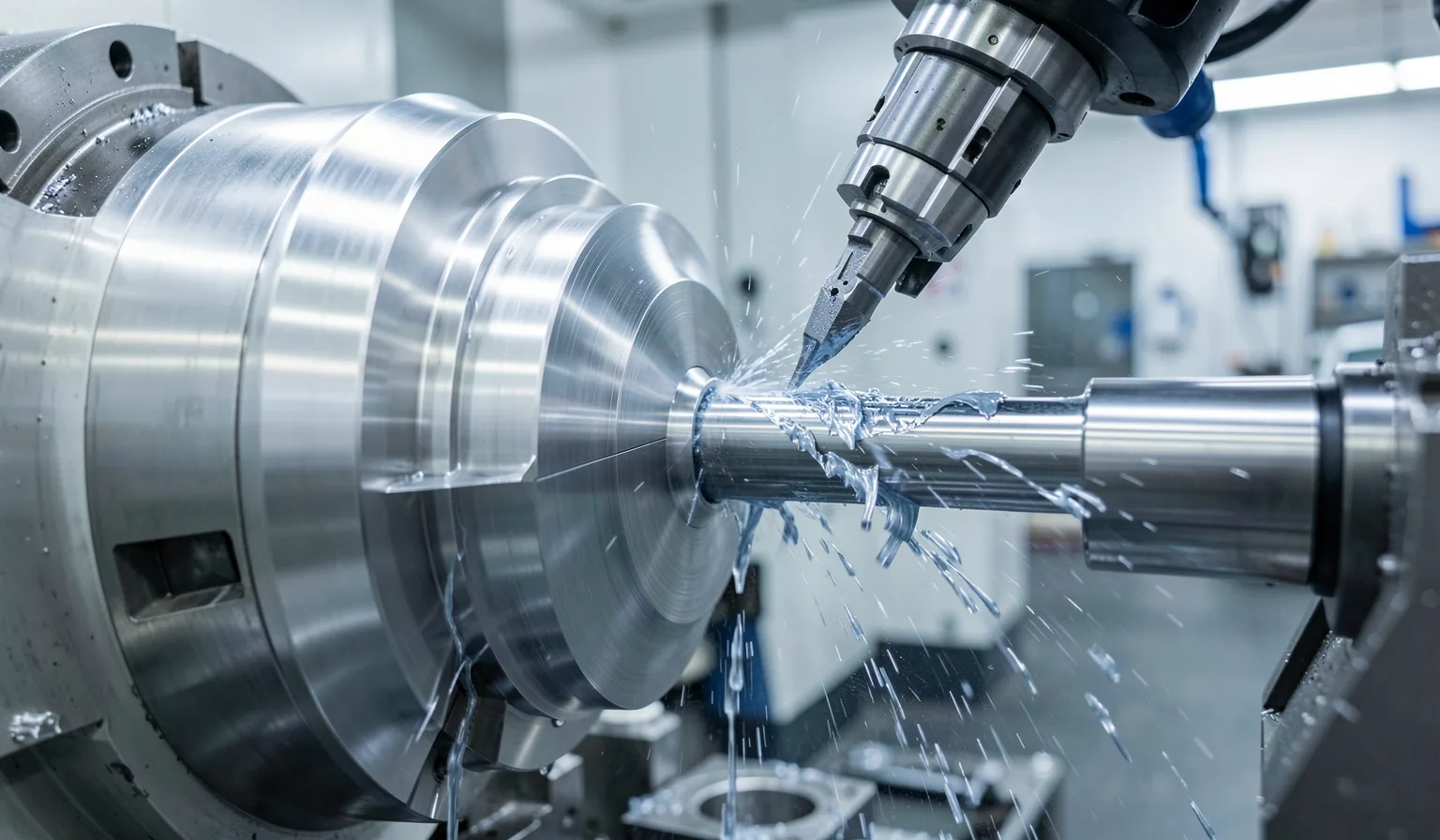
Not every program jumps straight from validated prototype to injection-molded or die-cast production. Bridge production — staying on CNC (or a similar low-tooling process) at moderate volumes while hard tooling is built or while demand is still being proven out — is a common middle stage, especially for parts where the tooling investment doesn't yet make sense against the volume on the table.
Best fit: programs with real but not-yet-final volume, or where hard tooling lead time doesn't match the program's launch timeline.
What This Means for Your Next Quote
Tell us which stage the part is at — fit-check, validation, or production — and whether it's IATF 16949-controlled, and the quote reflects that stage rather than assuming production-level documentation on a fit-check part or skipping qualification on a part that actually needs it. Talk to us about your automotive program with the drawing and the stage it's at. See our automotive machining, CNC machining, and rapid prototyping pages, or contact us.